
10 Things Professional Deck Builders Wish You Knew
Adding a new deck to your home is one of the most exciting and rewarding exterior renovations you can undertake. A well-designed outdoor structure extends your living space, provides a beautiful area for entertaining, and significantly boosts your overall property value. However, the journey from a rough sketch on a piece of paper to a fully realized outdoor oasis involves many crucial decisions. Homeowners often dive into the process full of enthusiasm but lacking the technical foresight that seasoned industry veterans possess.
When you collaborate with experienced deck builders, you tap into a wealth of knowledge that can save you time, money, and unnecessary stress. Professionals have seen it all — from structural miscalculations to material regrets — and they want your project to succeed just as much as you do. To help you bridge the gap between your backyard dreams and construction reality, we have compiled the top insights from the pros. Here are 10 essential things the experts wish every homeowner knew before breaking ground on a new outdoor project.
1. Evaluate Your Lifestyle Before Designing
Many homeowners start by picking out plank colors or railing styles, but the very first step should be analyzing how you actually plan to use the space. Will your layout primarily serve as a quiet morning retreat for coffee and reading, or do you plan to host massive weekend barbecues with dozens of guests? If you want to include heavy additions like a fully loaded outdoor kitchen, a stone fireplace, or a large hot tub, the structural requirements will change drastically. Your design should dictate the function. By being transparent about your lifestyle needs, your contractor can properly engineer the footings, joists, and layout to accommodate the weight and traffic, ensuring your space is both beautiful and functional.
2. Understand the Differences in Decking Materials
The materials you choose will impact not only the aesthetic of your backyard but also your budget and weekend free time. Traditional pressure-treated wood is cost-effective and offers a classic, natural look, but it requires substantial upkeep to prevent warping and splintering. On the other hand, composite and PVC materials offer remarkable durability and require virtually zero maintenance, though they come with a higher initial price tag. Seasoned deck builders often wish clients would weigh the long-term investment rather than just looking at upfront costs. Exploring the pros and cons of each material with your contractor will ensure you make a choice that aligns with both your aesthetic preferences and your willingness to perform annual upkeep.
3. Realize That Permits and Approvals Take Time
One of the most common sources of frustration for homeowners is the administrative delay before construction even begins. Building a structurally sound addition requires pulling the proper municipal permits and scheduling county inspections. Depending on where you live, you may also need explicit approval from your Homeowners Association (HOA), which can have strict guidelines regarding size, color, and placement. These regulatory processes are in place to ensure safety and code compliance, but they do not happen overnight. Reputable deck builders will handle the complex permitting process for you, but they wish clients understood that bureaucratic timelines are entirely out of the contractor's control. Patience during this phase is absolutely essential.
4. Budget for Long-Term Maintenance Costs
A beautiful outdoor space is not a "set it and forget it" addition, especially if you choose traditional lumber. Homeowners frequently underestimate the time and money required to keep a wooden structure looking pristine. Wood needs to be routinely cleaned, sanded, and sealed to protect it from harsh UV rays, moisture, and temperature fluctuations. According to HomeGuide, staining your deck every two to three years enhances its look and extends its lifespan. Failing to budget for this regular maintenance can lead to rot, structural decay, and an expensive premature replacement. If you are not prepared to commit to this maintenance cycle, it is highly recommended that you invest in composite alternatives from the very beginning.
5. Trust the Expertise of the Professionals
In the age of online tutorials and DIY television shows, it is easy to mistakenly believe that constructing an outdoor platform is a simple weekend project. In reality, it involves complex geometry, strict load-bearing calculations, understanding frost lines, and adhering to rigorous building codes. When homeowners try to cut corners or micromanage the structural design, it often leads to unsafe conditions. Professional deck builders undergo extensive training to understand how different elements, from ledger boards to joist hangers, work together to create a secure environment. Trusting their expertise ensures that your project is structurally sound, legally compliant, and built to withstand the elements for decades to come.
6. Think About the Space Under the Deck
When planning their project, most people focus entirely on the surface where they will be walking, completely ignoring the valuable real estate underneath. If your yard has a slope or you are building a second-story structure, the area below can be transformed into an incredible secondary living space. By installing an under-deck drainage system, you can channel rainwater away, creating a dry, protected patio space underneath. This area is perfect for shaded seating, a hammock, or protected outdoor storage. By considering this lower space during the initial design phase, you can effectively double your usable outdoor living footprint without significantly expanding the overall size of the structure.
7. Factor in Lighting and Accessories Early
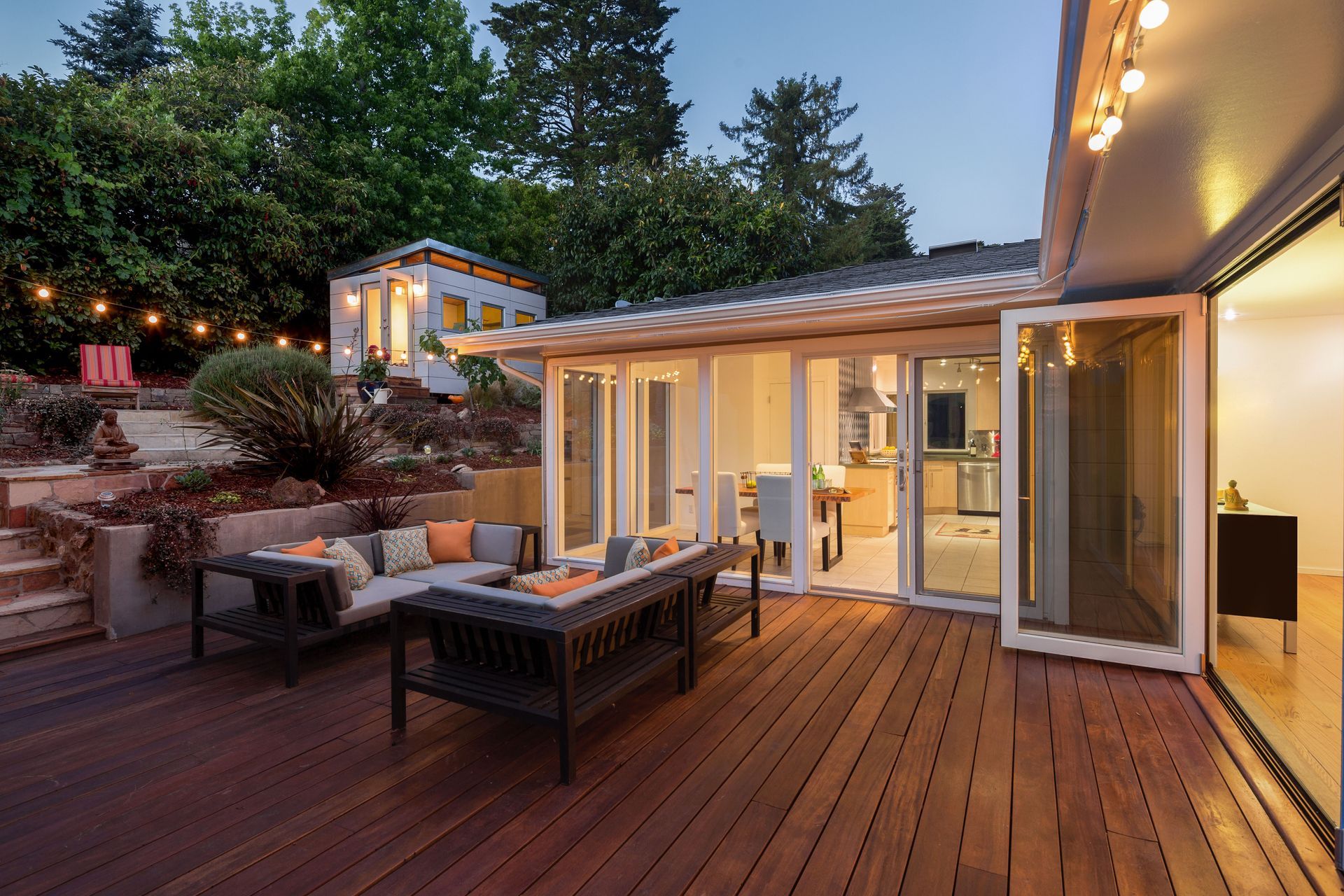
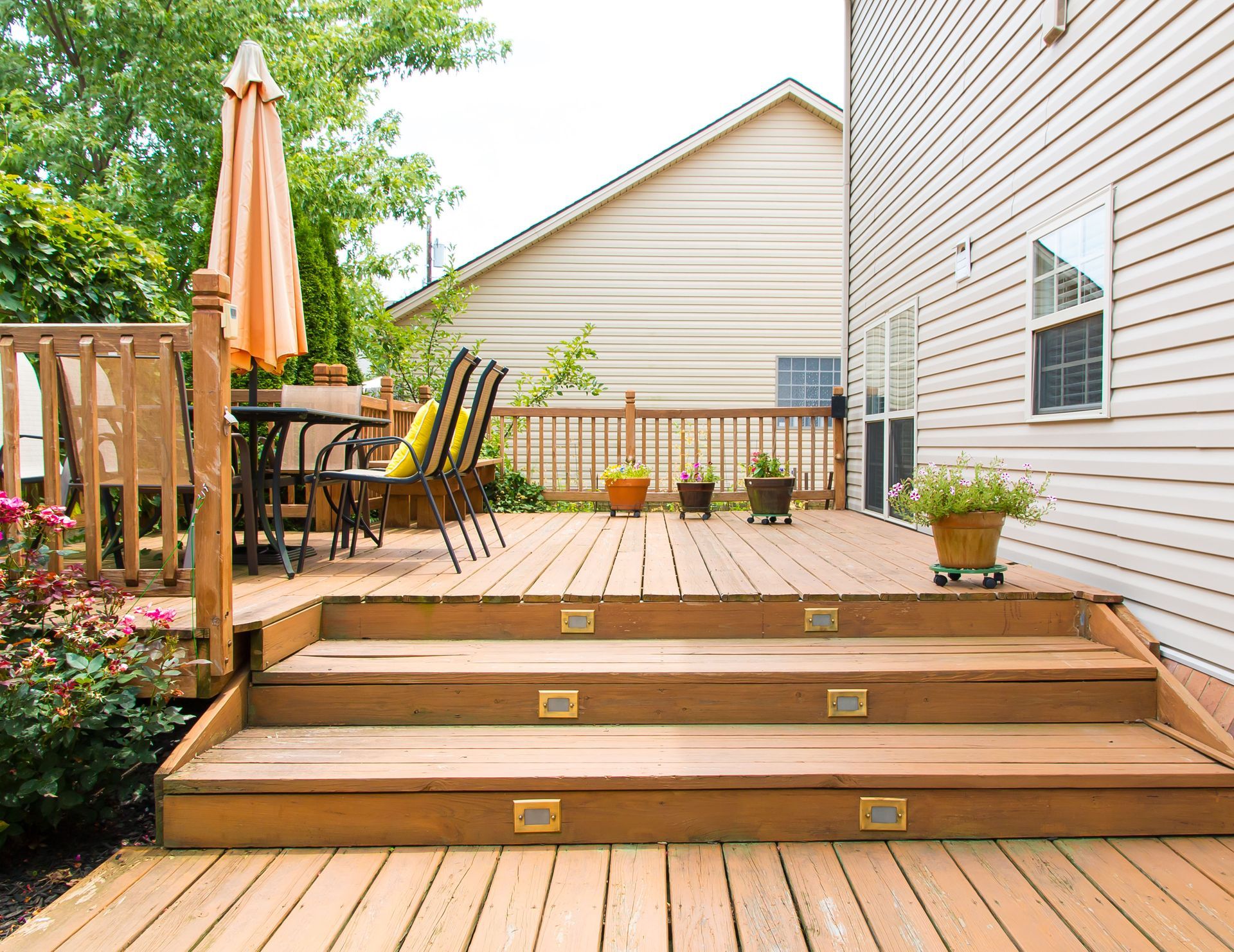
Nothing elevates the ambiance of an outdoor living space quite like a custom lighting package. Features like recessed stair lights, post-cap lights, and under-rail illumination not only extend the usability of your space well into the evening but also provide essential safety for you and your guests. However, retrofitting electrical wiring after the structure is fully built is tedious, difficult, and expensive. The best deck builders will urge you to finalize your lighting choices, built-in seating, and planter boxes during the initial design phase. Integrating these accessories into the original blueprint ensures a seamless, clean installation with hidden wiring and flawless execution.
8. Know That Seasons Affect the Building Schedule
There is a common misconception that spring is the only time to start an outdoor home improvement project. As a result, the spring months are incredibly chaotic for contractors, often leading to longer wait times and delayed project starts. The reality is that construction can take place during multiple seasons, depending on your local climate. In many regions, fall and mild winters are actually the ideal times to build. The lumber has less exposure to extreme summer heat and humidity, which can help it acclimate better, and your yard is often dormant, meaning less disruption to your landscaping. Being flexible with your timeline can often result in a smoother, more efficient building process.
9. Look Beyond the Lowest Initial Price Tag
When soliciting bids for your project, it is highly tempting to automatically award the job to the contractor who provides the lowest estimate. However, a drastically low bid is often a major red flag. It typically means the contractor is using subpar materials, cutting corners on structural supports, lacking proper insurance, or failing to pull the necessary legal permits. High-quality deck builders price their services to reflect their craftsmanship, premium materials, and adherence to all safety regulations. Investing a little more upfront for a reputable, licensed, and insured contractor guarantees peace of mind and significantly reduces the risk of expensive structural failures down the road.
10. Communicate Openly Throughout the Project
Clear, consistent communication is the cornerstone of any successful home renovation project. If you have a specific vision in mind, it is crucial to articulate it clearly before the materials are ordered and construction begins. Making substantial design changes halfway through the build — such as deciding to expand the footprint or swapping wood for composite — will result in costly change orders, wasted materials, and significant schedule delays. Set clear expectations from day one, ask questions if you do not understand a part of the process, and maintain an open dialogue with your project manager. A collaborative relationship ensures the final result matches your initial vision perfectly.
As the premier deck builders in the region, our experienced team is ready to guide you through every step of the process, from the initial custom design to the final structural inspection. Contact us today at Armor Fence, Deck, & Patio to schedule your consultation and start building the outdoor oasis of your dreams.
Share On: