
How to Pick the Right Fence Style for Your Property
Choosing the right fence style is a decision that affects far more than just your property line. It influences privacy, security, curb appeal, and even long-term maintenance costs. With so many materials, designs, and functional considerations available, it’s easy to feel overwhelmed. Working with a local fence company can simplify the process, but understanding your options upfront ensures you make a decision that aligns with your goals and your property’s unique characteristics.
According to industry data, the United States is home to tens of thousands of fencing contractors—more than 50,000 by some estimates, according to Grand View Research. That level of availability means homeowners have plenty of options, but it also underscores the importance of choosing both the right contractor and the right fence style.
Below, we’ll break down the key factors that should guide your decision.
Purpose
Before comparing materials or styles, start with a clear understanding of why you need a fence. Function should always drive design.
For many homeowners, privacy is the top priority. In that case, solid-panel fences like wood or vinyl are ideal because they block sightlines and create a more secluded outdoor environment. If security is your primary concern, especially for commercial properties or larger residential lots, taller fences with reinforced gates offer better protection.
Pet containment is another major consideration. A well-designed pet fence ensures safety without making your yard feel restrictive. The right height, spacing, and durability all matter—especially if you have active dogs or larger animals.
Decorative purposes, on the other hand, shift the focus toward aesthetics. Ornamental fences, for example, enhance curb appeal while still providing a defined boundary. They’re especially popular in front yards or around landscaped areas where visibility matters.
A reputable local fence company will typically walk you through these use cases and recommend solutions that balance function and style. Skipping this step often leads to mismatched expectations, where the fence looks good but doesn’t perform as needed.
Materials
Once you’ve defined your purpose, the next step is selecting the right material. Each option comes with trade-offs in durability, maintenance, and cost.
Wood remains one of the most popular choices for its natural appearance and versatility. It can be customized into a wide range of styles, from classic picket fences to full-privacy panels. However, wood requires ongoing maintenance, including staining or sealing, to prevent weather damage.
Vinyl fencing has gained traction due to its low-maintenance appeal. It resists moisture, won’t rot, and retains its color over time. For homeowners who want a clean, consistent look without ongoing upkeep, vinyl is a strong contender.
Composite options like Trex fencing combine recycled materials with durability. These fences mimic the look of wood but eliminate many of the maintenance concerns. They’re also an environmentally conscious choice, which can be a deciding factor for some property owners.
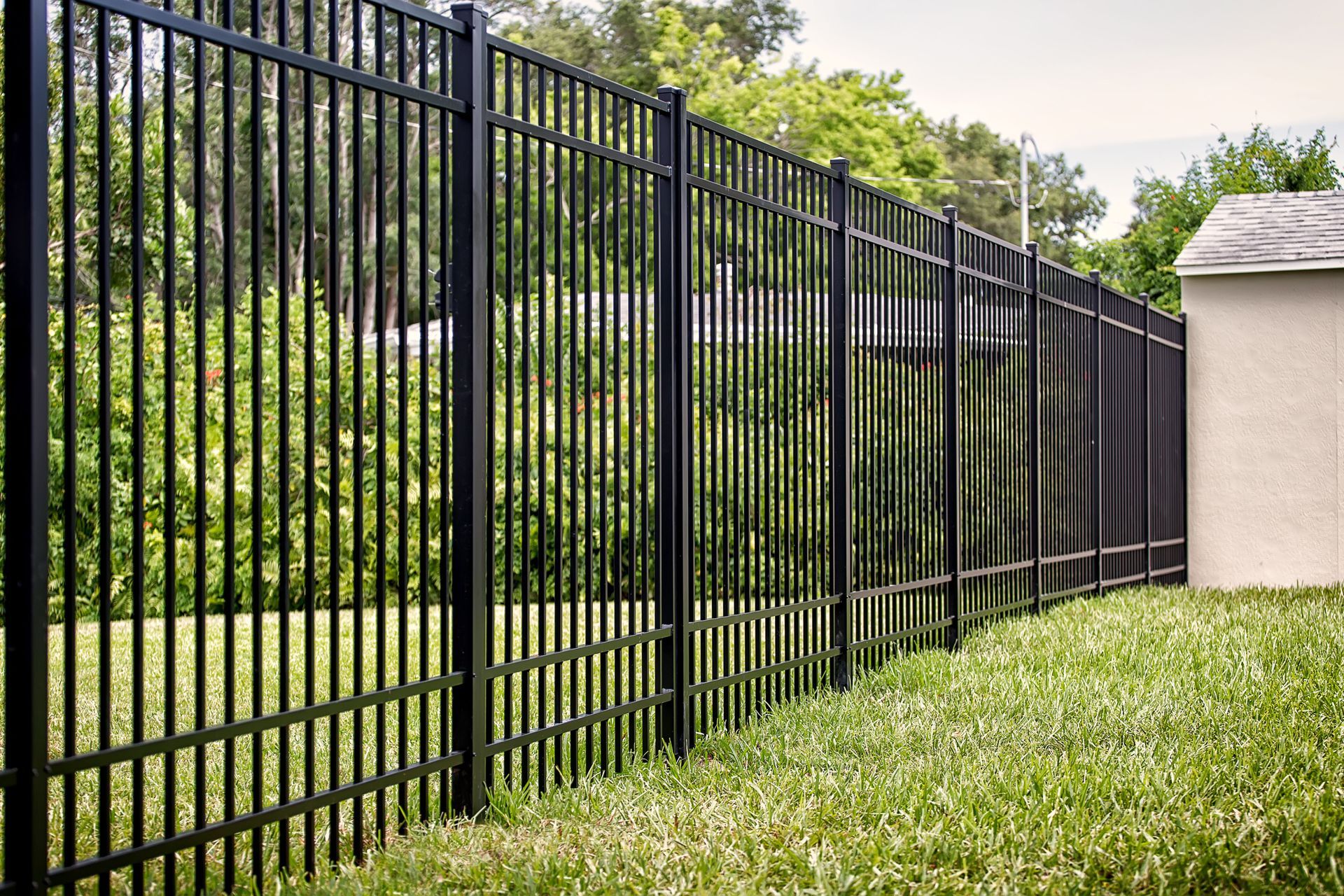
Ornamental metal fences—often made from aluminum or steel—offer durability and a refined aesthetic. While they don’t provide full privacy, they excel in decorative and security applications.
Choosing the right material isn’t just about appearance; it’s about lifecycle cost. A local fence company can help you evaluate upfront investment versus long-term maintenance, ensuring you don’t overspend or underinvest.
Design
Fence design goes beyond material selection. It includes height, spacing, color, and how the fence integrates with your overall property layout.
Height is one of the most critical design elements. Taller fences offer more privacy and security, but they may be subject to local zoning regulations. Shorter fences, while more open, can still define boundaries effectively without overwhelming the space.
Spacing between pickets or panels also affects both function and aesthetics. Tight spacing enhances privacy, while wider gaps create a more open, decorative look. This is especially relevant for ornamental fences, where visibility is part of the design intent.
Color and finish should complement your home’s exterior and landscaping. Neutral tones tend to age well and blend seamlessly, while bold colors can make a statement but may limit future design flexibility.
Gates are another essential component of fence design. A well-integrated gate provides convenient access while maintaining security. Whether you need a simple entry point or a larger, reinforced gate for vehicles, the design should align with the rest of the fence.
Working with a local fence company ensures these design elements are tailored to your property rather than relying on one-size-fits-all solutions. Customization is often the difference between a fence that looks added on and one that feels like a natural extension of your space.
Installation
Even the best materials and design can fall short without proper installation. This is where professional expertise becomes critical.
Fence installation involves more than setting posts in the ground. It requires precise measurements, knowledge of soil conditions, and adherence to local codes and property lines. Installation mistakes can lead to leaning fences, premature wear, or even legal disputes with neighbors.
A local fence company will also account for grading and terrain. Uneven ground requires adjustments to ensure the fence remains level and structurally sound. This is particularly important for larger properties or commercial installations.
Timing is another factor. Weather conditions, material availability, and project scope all influence how long the installation will take. A well-organized team can minimize disruptions while maintaining quality.
Choosing a local fence company for installation provides added advantages. Local professionals understand regional weather patterns, soil types, and permitting requirements, which reduces the risk of complications.
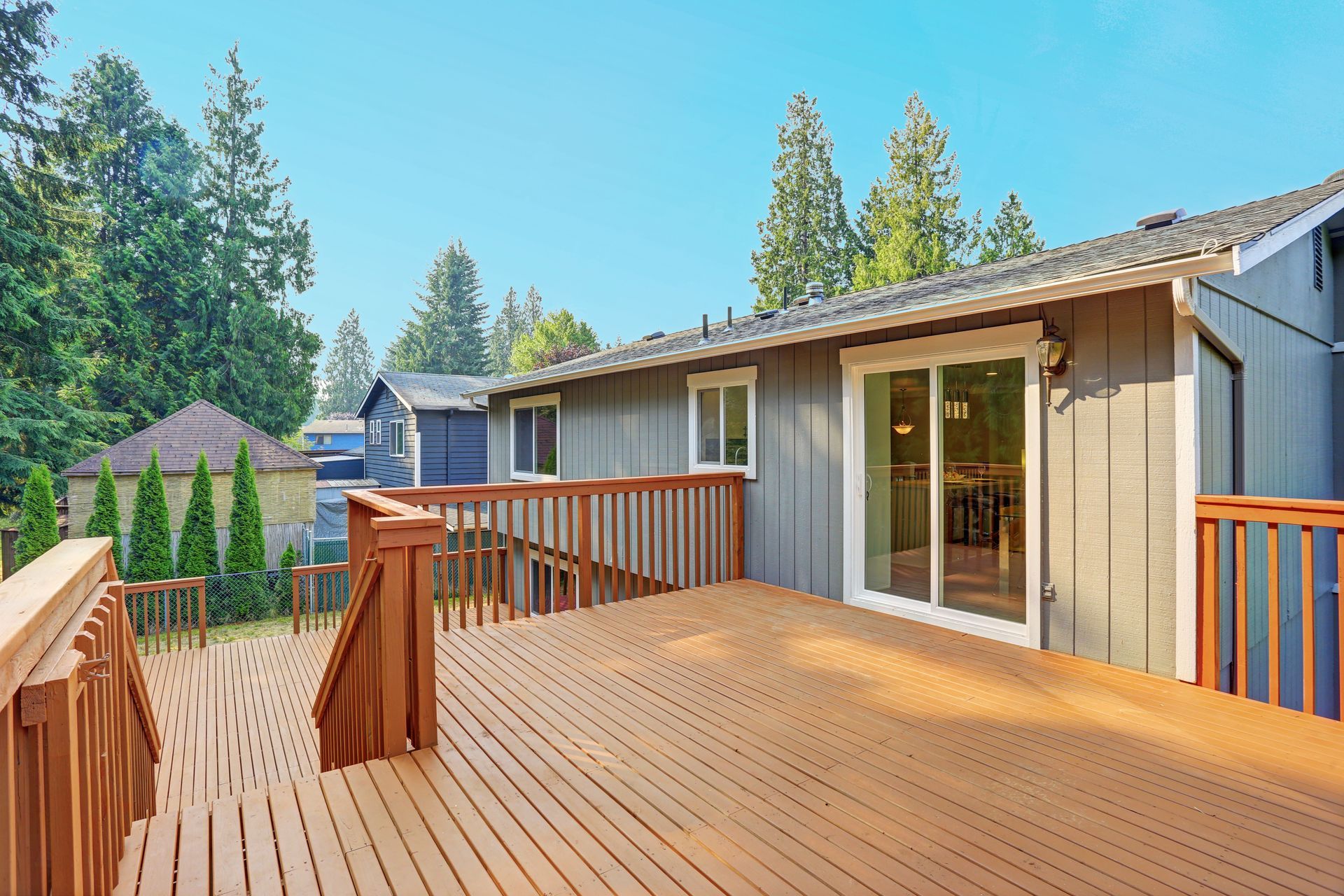
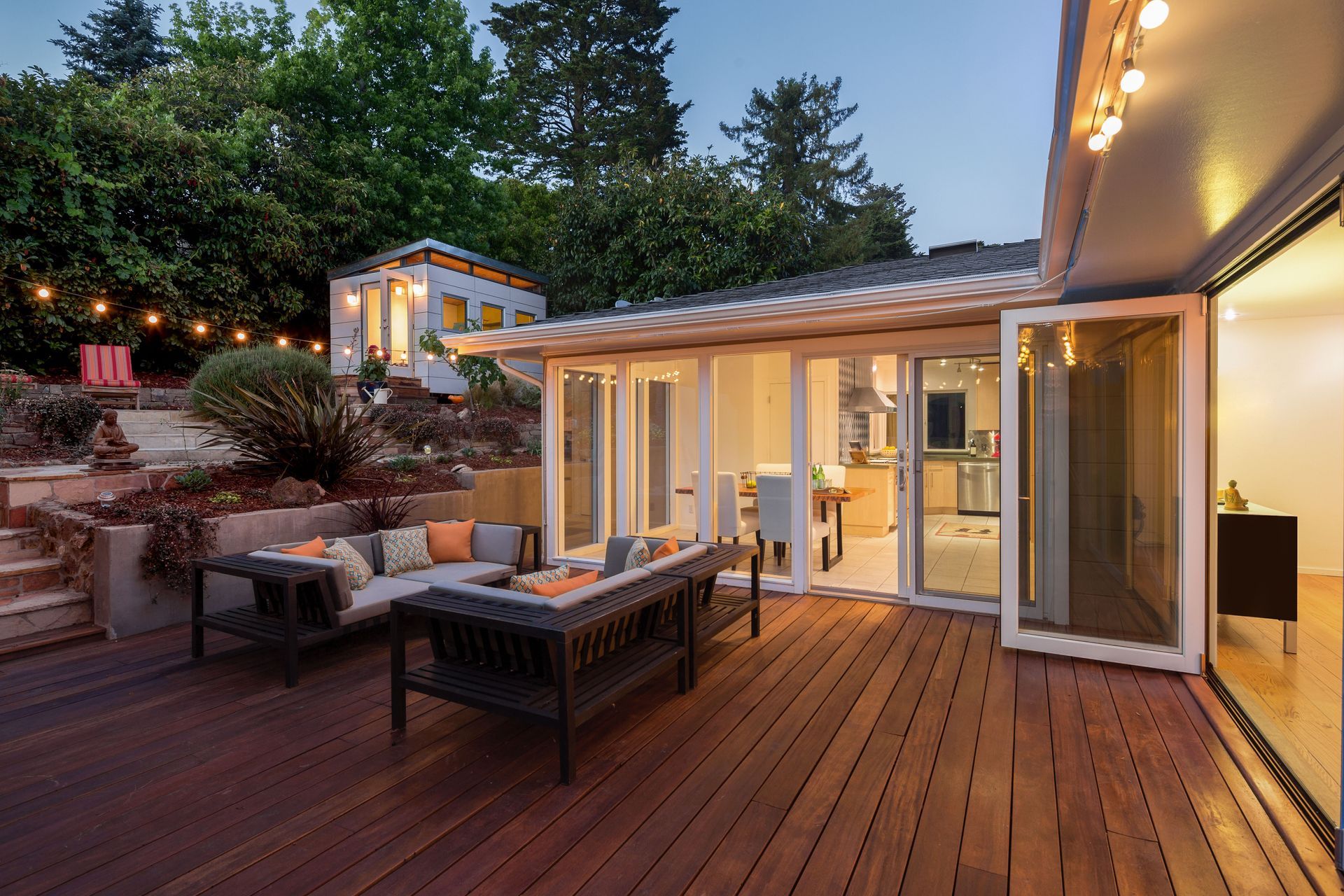
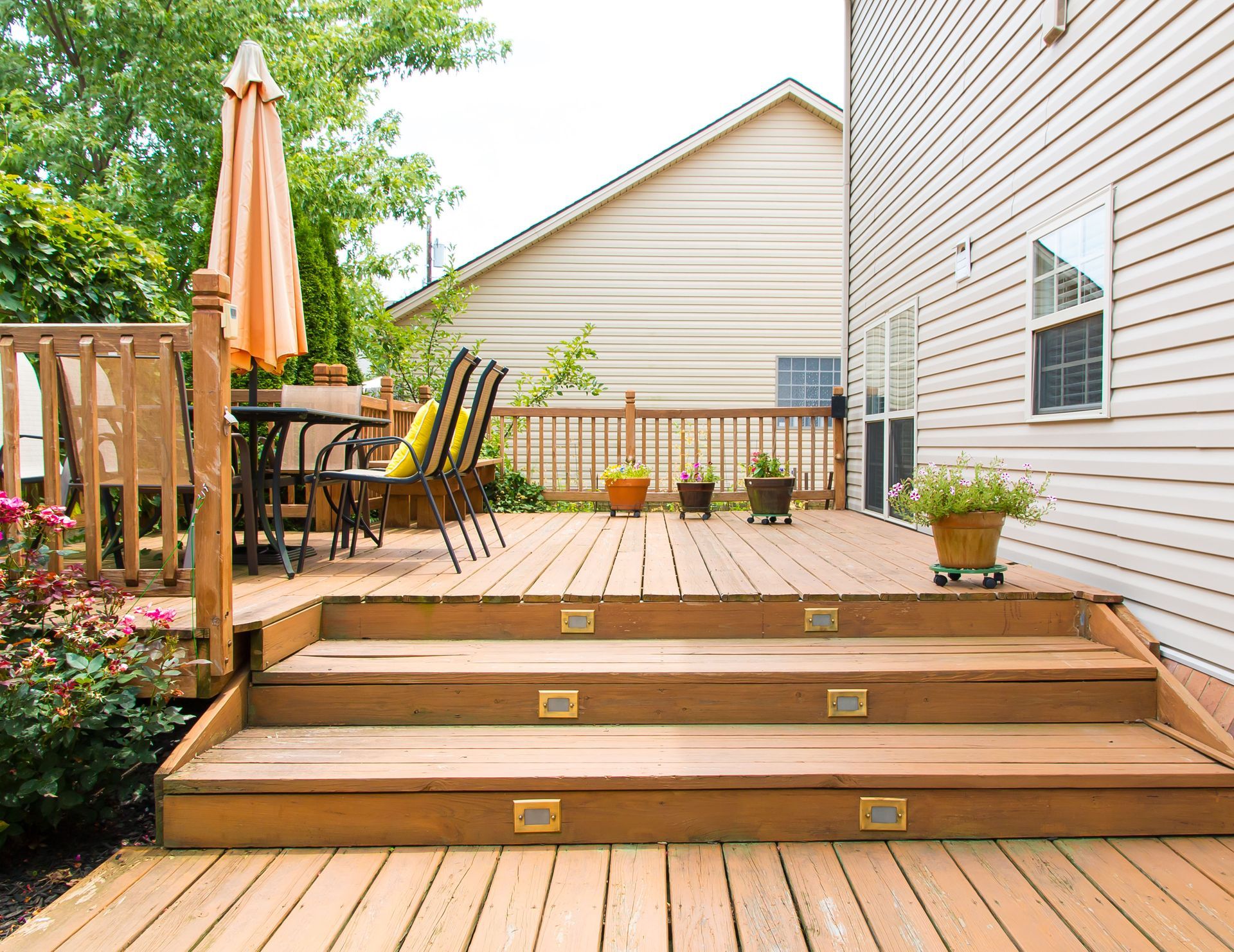
Additionally, many companies offer integrated services, including custom fences, gates, and even complementary outdoor features like decks. This holistic approach ensures consistency across your outdoor space and simplifies project management
Maintenance
Long-term maintenance is often overlooked during the selection process, but it plays a significant role in the overall value of your fence. Different materials require varying levels of upkeep, and understanding these expectations upfront can prevent costly surprises down the line. A well-informed decision here ensures your fence continues to perform and look its best for years without excessive time or financial investment.
Wood fences, while visually appealing, demand the most attention. Regular sealing, staining, or painting is necessary to protect against moisture, pests, and UV damage. Without consistent maintenance, wood can warp, crack, or rot, ultimately shortening its lifespan. Homeowners who prefer a natural aesthetic should weigh this upkeep against the long-term durability of alternative materials.
Vinyl and composite options significantly reduce maintenance requirements. Vinyl fences typically need only occasional cleaning with soap and water to maintain their appearance. Composite fences, such as those made from recycled materials, are engineered to resist fading, warping, and insect damage. These options are ideal for property owners seeking a low-maintenance solution that still delivers strong visual appeal.
Metal and ornamental fences fall somewhere in between. While generally durable, they may require periodic inspections for rust or coating wear, especially in regions with high humidity or seasonal weather fluctuations. Protective finishes can extend their lifespan, but minor maintenance is still necessary to preserve their structural integrity and appearance.
A knowledgeable local fence company can outline realistic maintenance expectations for each material and help you choose an option that fits your lifestyle. Whether you prefer a hands-off approach or don’t mind occasional upkeep, working with a professional ensures your investment aligns with both your aesthetic goals and your long-term maintenance capacity.
Selecting the right fence style for your property comes down to aligning purpose, materials, design, and installation. Each decision point builds on the last, and overlooking any one factor can lead to compromises in performance or appearance. With so many options available—and thousands of contractors nationwide—it pays to approach the process strategically and with expert guidance. Partnering with a
local fence company ensures your fence is not only visually appealing but also built to meet your specific needs for years to come.
If you’re ready to upgrade your property with a fence that balances style and function, the team at Armor Fence, Deck, & Patio is here to help. From custom fences and gates to durable materials like wood, vinyl, and composite, we deliver solutions tailored to your goals. Contact us today to schedule your consultation and take the first step toward a better outdoor space.
Share On: