
What to Expect During a Deck Installation or Replacement
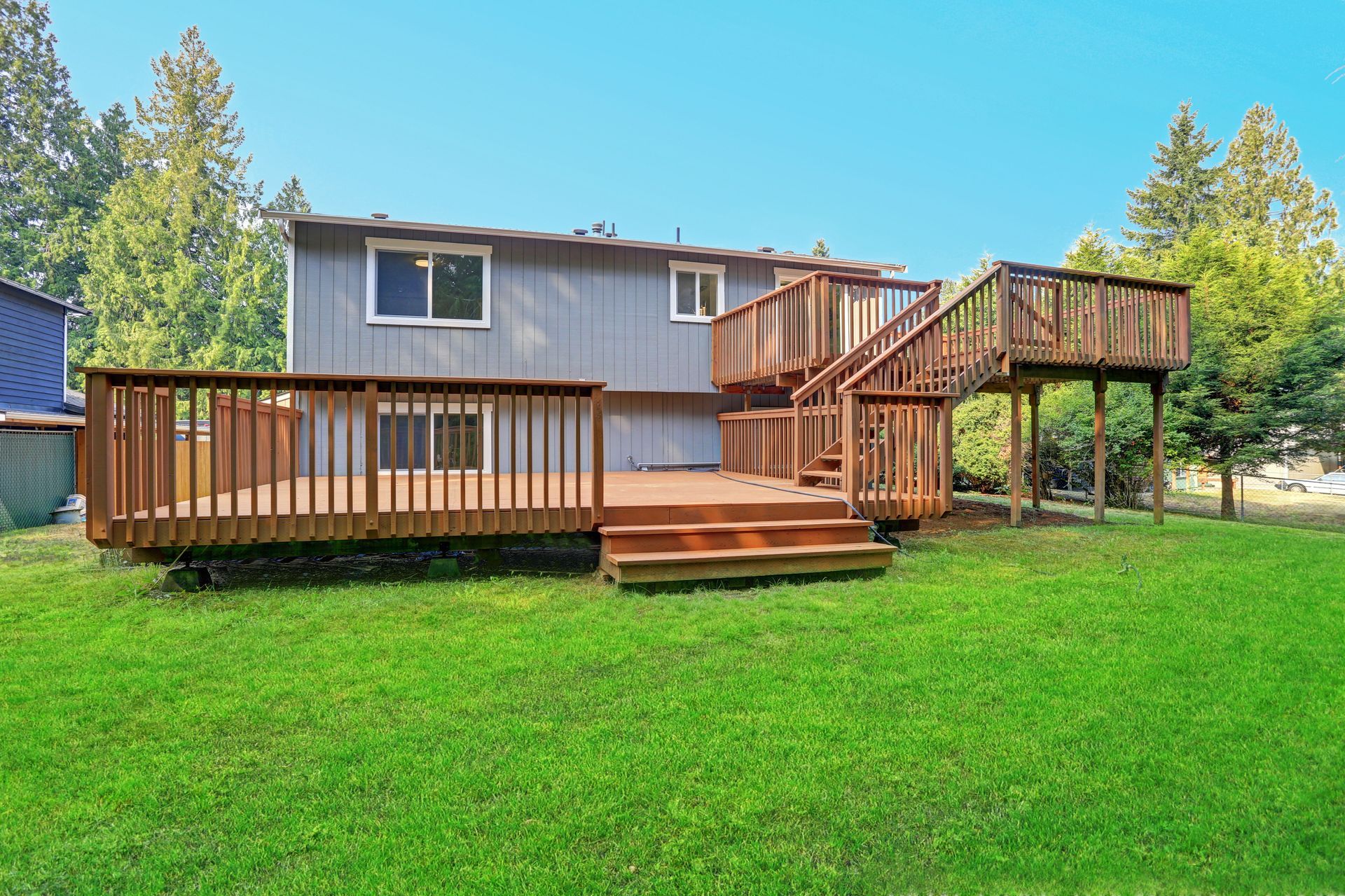
Enhancing an outdoor living space with a custom platform promises to transform how a household enjoys nature and entertains guests. Property owners frequently decide to undertake this improvement project to expand their usable living area and increase the long-term appeal of their residence. Whether removing a dilapidated structure or starting from scratch on a blank lawn, understanding the progression of the project helps alleviate anxiety and ensures a smoother experience. Engaging a professional deck builder allows a homeowner to navigate the complicated steps of engineering, design, and local zoning laws with absolute confidence. This significant property modification requires careful coordination, specialized machinery, and meticulous craftsmanship to ensure the final product remains durable and safe for decades. By familiarizing yourself with the developmental stages of the installation process, you can prepare your household for the temporary disruption and look forward to the beautiful results.
Preparing the Construction Site
The initial phase of the transformation begins long before any new lumber arrives at the residence. Workers establish a clear perimeter around the workspace, moving outdoor furniture, potted plants, grills, and any other personal belongings away from the area. If an existing structure is being replaced, the crew carefully dismantles the old materials, loading the debris into a disposal vehicle to maintain a clean environment. Homeowners should anticipate a fair amount of noise during this step, as tools are necessary to separate old fasteners from the ledger board. A professional deck builder takes precautions to protect nearby landscaping, though some minor disturbance to the surrounding grass and soil is inevitable during the demolition.
Once the old structure is completely removed, the crew focuses on grading the ground and addressing potential drainage concerns beneath the footprint of the future platform. Ensuring that water flows away from the home foundation prevents rot and structural shifting over time. Workers clear away sod, apply a protective weed barrier, and spread gravel over the designated zone to minimize vegetation growth and mud accumulation. This thorough ground preparation creates a stable workspace that allows the construction crew to measure and align the upcoming layout with precision. Property owners can assist this stage by keeping pets and children indoors while heavy debris is moved across the yard.
Laying the Structural Foundation
With the site cleared and graded, the construction team transitions into establishing the underlying structural support system that carries the weight of the entire platform. This step requires digging deep holes into the earth for the concrete footings, which must extend past the local frost line to prevent shifting during seasonal freezing and thawing cycles. The installation crew utilizes augers or shovels to excavate these holes at precise intervals calculated by the designer to distribute the load evenly. A reputable deck builder handles the coordination of local utility markings before digging commences, ensuring that underground pipes and wires remain undisturbed throughout the process.
After the holes are excavated, concrete is poured into specialized forming tubes to create solid, permanent pillars rising slightly above the soil line. Metal anchors are embedded directly into the wet concrete, providing a secure attachment point for the vertical wooden support posts. This method ensures that the wood remains elevated above damp ground, reducing the risk of premature decay and moisture damage. The concrete requires adequate time to cure and harden properly before the crew can place heavy structural loads on top of the footings. Homeowners will notice a temporary pause in active construction during this curing window while the foundation gains its maximum strength.
Framing the Support Network
Once the concrete foundation is fully cured, the skeletal structure of the platform begins to take shape above the ground. The crew connects a heavy wooden ledger board directly to the rim joist of the house, establishing a secure connection that binds the new structure to the existing residential framework. Waterproof flashing is meticulously installed over this connection point to divert rainwater away from the house walls and prevent interior water infiltration. Vertical support posts are attached to the concrete footings, and heavy beams are hoisted into place to span across the posts. An experienced deck builder checks every measurement with levels and string lines to ensure the framework sits square and plumb.
Following the beam installation, horizontal joists are positioned perpendicular to the beams at specific intervals to form the floor support system. The crew secures these joists using specialized metal hangers and heavy structural screws designed to withstand immense weight and lateral pressure. Additional blocking and bracing are installed between the joists to prevent the wood from twisting or warping under heavy usage over time. This stage of construction reveals the true size and shape of the outdoor living area, giving property owners a clear visual understanding of the final spatial layout. The robust framework acts as the backbone of the entire project, determining the overall longevity of the platform.
Attaching the Surface Boards
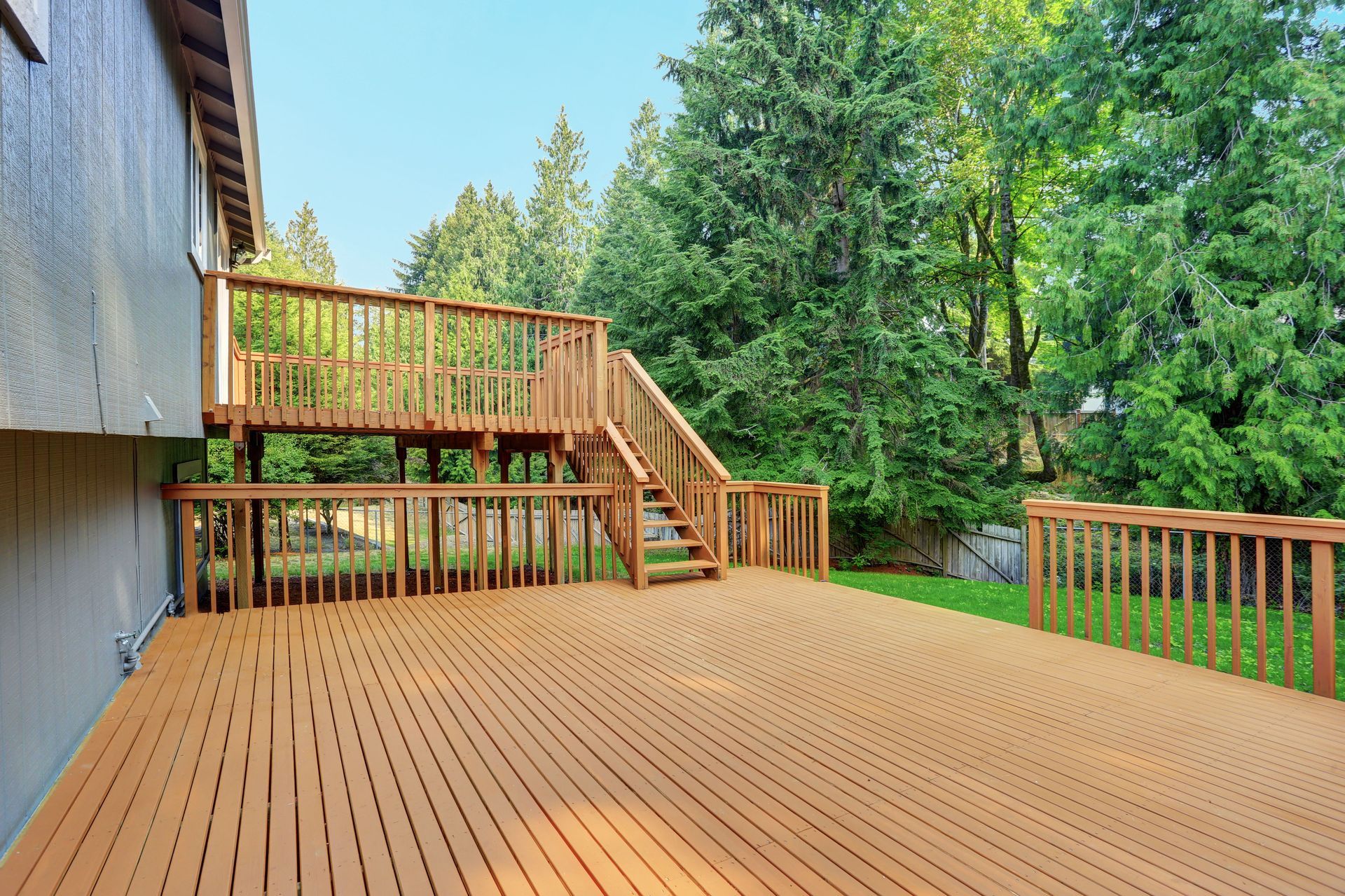
The installation of the floorboards represents a highly satisfying phase of the project, as the raw structural skeleton is hidden beneath a beautiful, walkable surface. Workers carefully select and lay out the individual boards, which consist of natural pressure-treated wood, premium hardwoods, or modern composite materials, depending on the selected design. The crew utilizes hidden fastening systems or color-matched face screws to secure the boards to the underlying joists with uniform spacing. A skilled deck builder maintains consistent gaps between the surface pieces to allow for natural thermal expansion, contraction, and optimal water drainage during heavy rainstorms.
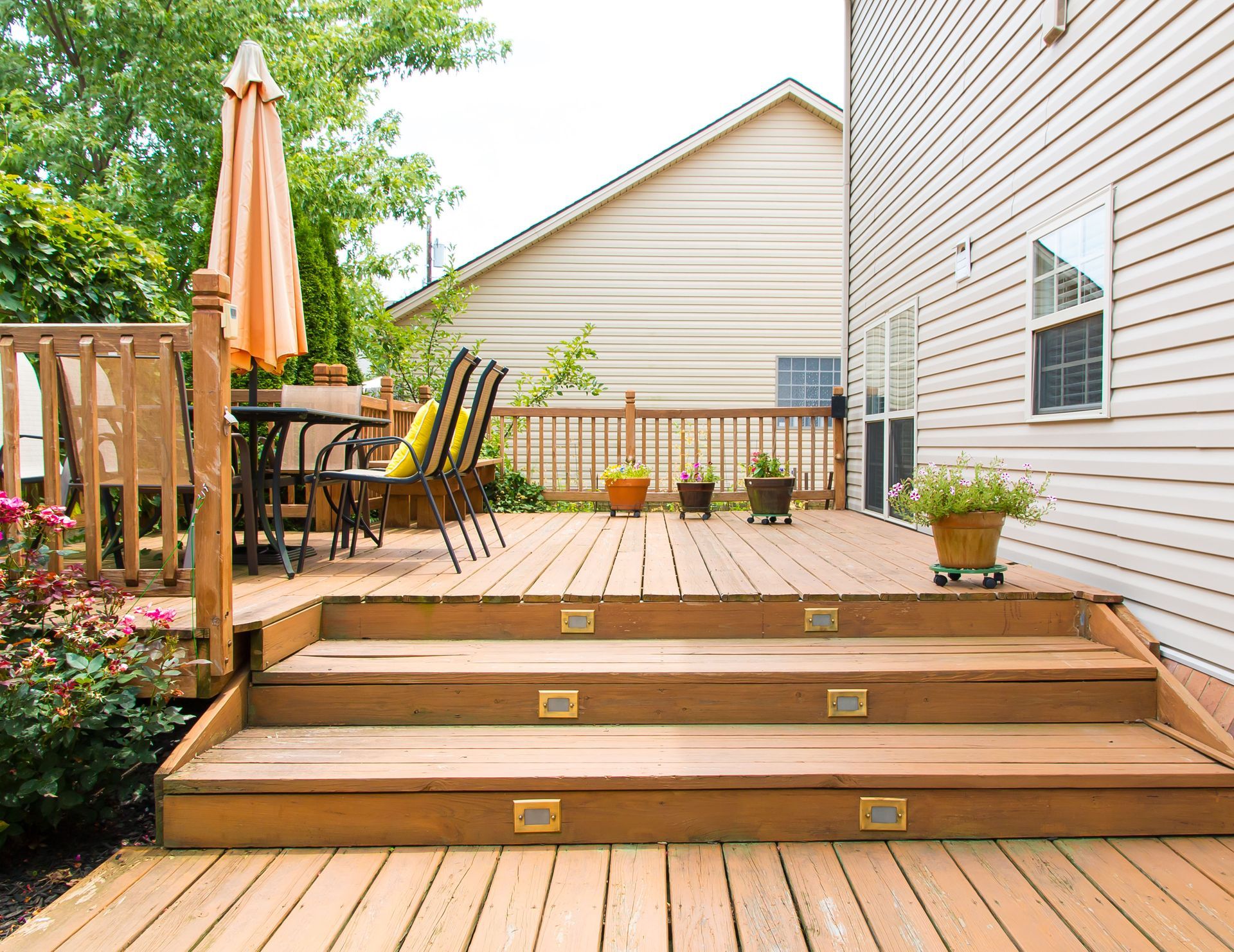
As the surface installation progresses, workers meticulously trim the overhanging edges of the boards with a circular saw to create crisp, clean perimeters along the borders. Picture frame detailing may be incorporated around the edges to hide the raw ends of the composite boards and provide an elegant, professional finish. The team also constructs any necessary integrated steps or multi-level transitions during this phase, ensuring each step feels solid and comfortable underfoot. The transformation during this stage is rapid, completely altering the visual dynamic of the backyard and creating an immediate sense of functionality.
Verifying the Safety Elements
The final major construction phase centers entirely on building the protective components that secure the perimeter and accommodate safe movement between levels. Workers install sturdy guardrails along any open sides of the platform that sit elevated above the surrounding lawn to prevent accidental falls. According to This Old House, handrails and guards on the open sides of deck stairways should be at least 34 inches, and not more than 38 inches, above the leading edge of the stairway treads. Adhering to these strict dimensional standards ensures that the steps remain completely accessible and safe for individuals of all ages and mobilities.
After the primary railing systems are secured, the crew shifts attention to installing post caps, decorative trim pieces, and optional low-voltage lighting systems that illuminate the walkways after dark. A meticulous deck builder conducts a final thorough inspection of the entire structure, checking for any exposed screw heads, rough wooden edges, or loose connections that require immediate adjustment. The job site is then completely cleared of remaining lumber scraps, sawdust, packaging materials, and tools, leaving the property in pristine condition. With all safety inspections completed and the site cleaned, the new outdoor retreat is officially ready for the family to enjoy.
Investing in a professional property transformation provides a remarkable extension of your indoor comfort into the beauty of the outdoors. From the initial clearance of the site and the engineering of a solid concrete foundation to the intricate framing and final safety adjustments, each phase requires dedicated expertise and precision. Understanding this step-by-step progression helps homeowners maintain peace of mind while watching their backyard vision materialize into a durable, functional reality. Choosing the right professionals to handle this complex installation ensures that the final structure complies with all building regulations and reflects your personal aesthetic preferences perfectly. To begin planning your custom outdoor project, contact Armor Fence, Deck, & Patio.
Share On: