
6 Things Top Composite Deck Companies Never Ignore
Composite decking offers an outdoor living surface that requires less routine maintenance than traditional wood decking. Choosing among composite deck companies involves more than comparing materials. Homeowners should also consider design options, the intended use of the space, installation requirements, and the features that will make the finished deck functional. Understanding these factors can help you plan a composite deck that suits your property, preferences, and outdoor living needs.
1. Smart Decking Material Choices
Compare Wood and Composite Decking
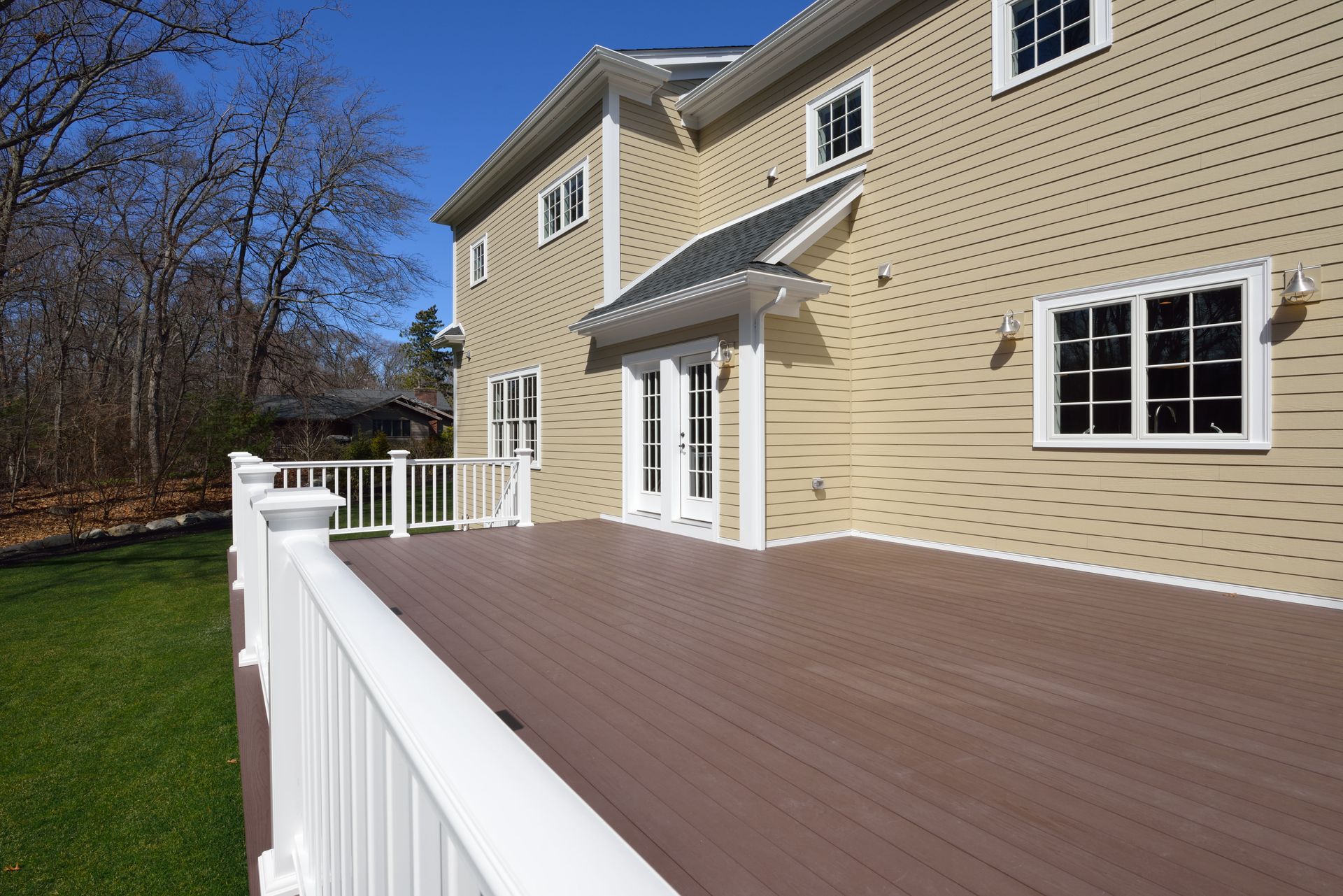
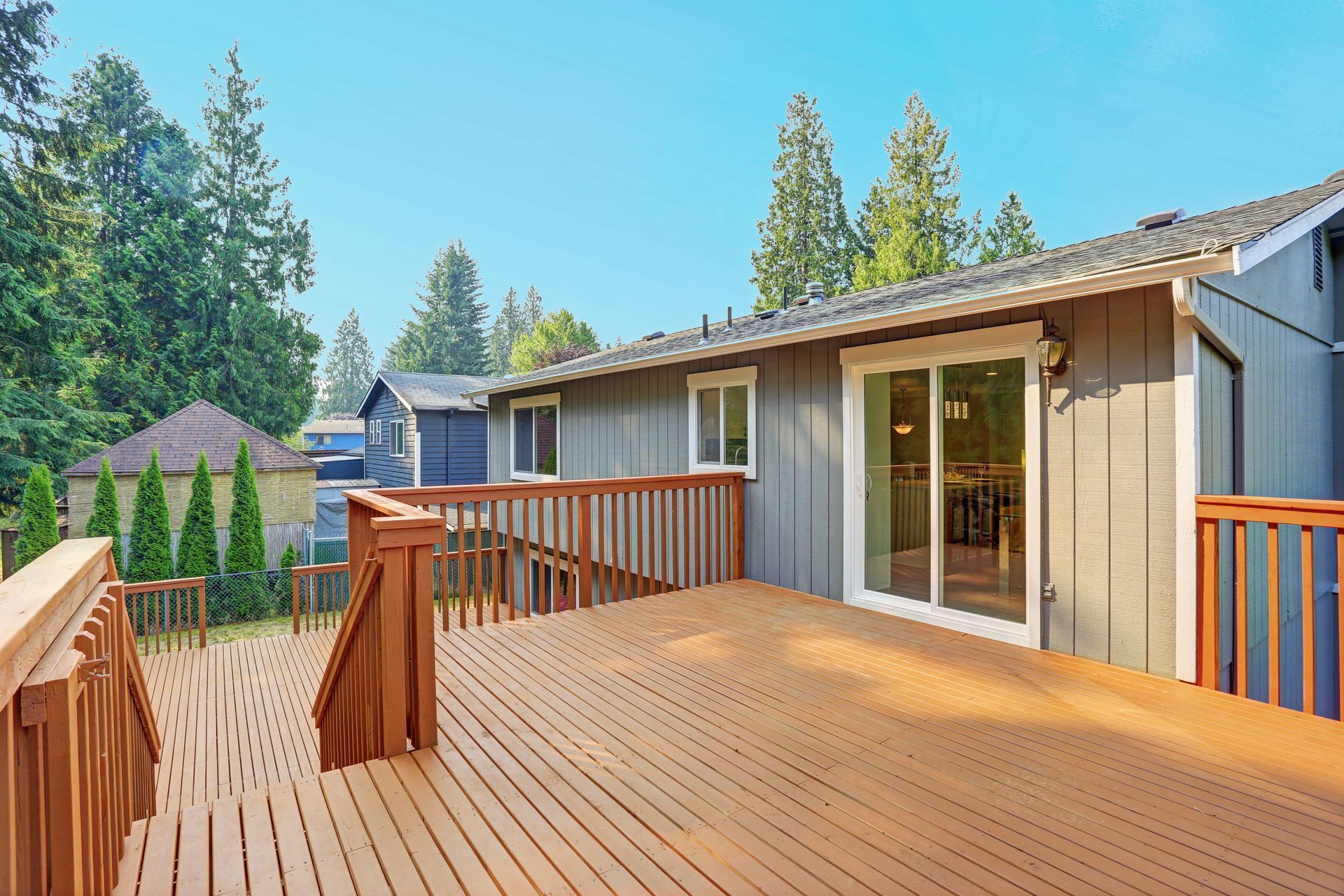
Material selection affects the appearance, upkeep, and initial cost of a deck. Traditional wood offers a natural appearance and generally costs less upfront, but it requires regular maintenance. Composite decking typically costs more initially and requires less upkeep. Comparing these differences can help you choose a material that fits your preferences and maintenance expectations.
Explore Composite Decking Brands
Composite decking is available from several manufacturers, with products differing in appearance and specifications. When comparing composite deck companies, ask about the decking brands and product options available for your project. Compare their characteristics before making a decision, and consider how each option fits your preferred appearance and maintenance expectations.
Assess Maintenance Requirements
Before choosing a decking material, consider how much routine upkeep you are willing to perform. Wood decking generally requires more maintenance, while composite decking offers a lower-maintenance alternative. Your intended use of the space and your material preferences can help guide the decision.
2. Flexible Deck Design Options
Select a Decking Style
A deck should complement the home and suit the way the outdoor space will be used. Wood and composite decking offer different appearances and maintenance requirements. Consider your preferences, the surrounding property, and the overall look you want to achieve when selecting materials.
Customize the Deck Layout
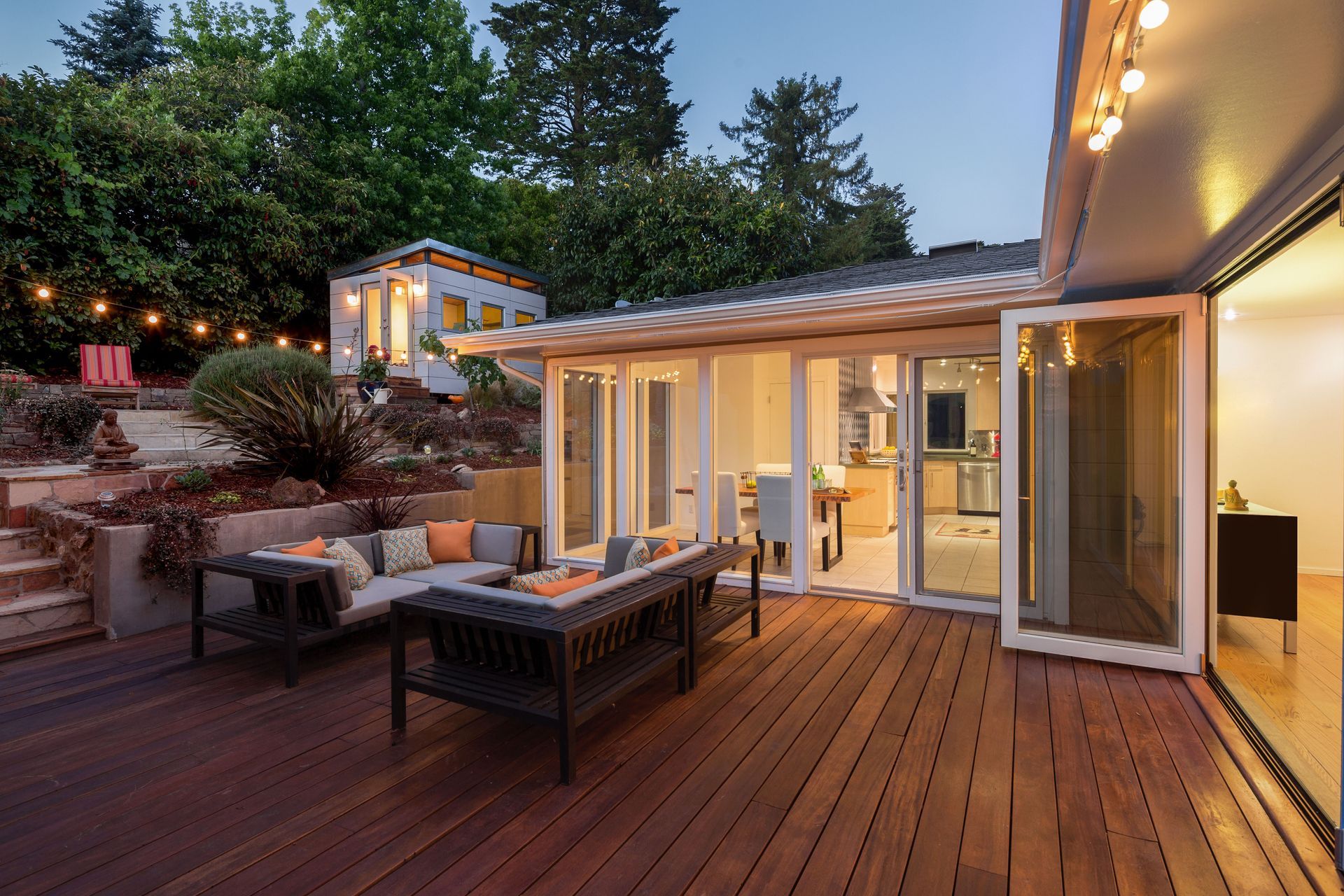
A custom deck can be planned around the property's available space and the homeowner's priorities. Consider how the deck will connect to the house, where stairs should lead, and whether the layout needs separate areas for dining, relaxing, or entertaining. These choices can help define how the finished deck will function.
Incorporate Practical Features
Features such as railings, lighting, privacy screens, benches, and multilevel platforms can help make a deck more functional. The appropriate combination depends on the layout, intended use, and features you want to include. Discussing these options with composite deck companies can help you determine which features suit your plans.
3. Careful Deck Installation Planning
Define the Project Scope
Before installation begins, determine the purpose of the deck, the amount of usable space available, and the features you want to include. A clear project scope helps guide decisions about materials, layout, stairs, railings, and other additions. Discussing these priorities with composite deck companies can also help clarify the proposed work.
Choose Suitable Materials
The choice between wood and composite decking affects the project's appearance and maintenance needs. Consider the characteristics of each material alongside your budget and preferences. Discuss the available options with your contractor before finalizing the design.
Coordinate Permits and Requirements
Some deck projects require construction permits before work can begin. Local requirements vary, so determine which approvals apply to your property. Ask your contractor about assistance with obtaining and filing any required permits.
4. Clear Contractor Communication
Confirm How to Get in Touch
Before starting a project, find out how to contact the contractor with questions about materials, design choices, scheduling, and installation. Having a clear point of contact can make it easier to discuss project requirements and clarify decisions. When evaluating composite deck companies, consider how each contractor communicates throughout the planning process.
Discuss Project Requirements
Share your priorities for the deck, including its intended use, preferred materials, and desired features. Clear discussions help establish the scope of work and give the contractor the information needed to plan the project. Ask questions whenever you need clarification about the proposed design or installation.
Understand Warranty Terms
Ask what warranty coverage applies to the completed project and review any relevant terms before work begins. Coverage can vary, so understand the specific provisions rather than assume every material or installation issue is covered. Request clarification about any conditions or exclusions that may apply.
Review Design Options
A deck project may involve several decisions about materials, layout, and features. Discuss available options with the contractor and confirm which elements are included in the proposed design. Reviewing these details can help you make informed choices before construction begins.
5. Sustainable Decking Material Options
Understand Recycled Materials
Composite decking can be an option for homeowners who want an alternative to traditional wood. According to Bob Vila, composite decking is often available in board lengths of up to 20 feet, allowing for fewer seams in many deck designs, depending on the deck's dimensions and layout. Understanding the materials and product options available can help homeowners compare decking choices for their projects.
Compare Material Requirements
Wood and composite decking differ in their maintenance requirements and initial costs. Wood generally costs less upfront but requires regular upkeep, while composite decking typically has a higher initial cost and requires less maintenance. These differences are worth considering when planning a new deck.
Review Product Information
Before selecting decking, review the available information about its composition, care requirements, and intended use. Compare the materials available for your project and consider how each option fits your preferences. Ask your contractor to clarify any product details that affect your decision.
Assess Maintenance Needs
Think about the amount of time you want to spend maintaining the deck. Material selection can influence routine upkeep, so consider your expectations before making a decision. Discussing maintenance requirements before choosing a product can help you plan for its ongoing care.
6. Practical Deck Budget Planning
Compare Material Costs
Material selection is an important part of budgeting for a deck. Wood generally costs less upfront than composite decking, while composite materials typically require less routine maintenance. Compare these initial costs and ongoing upkeep requirements when deciding which option suits your budget.
Explore Financing
Financing may be an option for homeowners planning a new deck. Review the available financing terms and eligibility requirements before deciding how to pay for the project. Understanding these details can help you determine whether financing fits your budget.
Ask About Available Discounts
Some contractors offer discounts for eligible customers. Ask about any applicable offers when discussing your project, and confirm the requirements and terms before making a decision. Include any confirmed discounts when reviewing the overall project cost.
Request a Project Estimate
A project estimate helps you understand the proposed work and its expected cost. When comparing composite deck companies, discuss your preferred materials, layout, and additional features with the estimator so the estimate reflects the scope of your planned deck. Ask for clarification about any items you do not understand before deciding how to proceed.
Review the Complete Project Scope
When comparing estimates, consider the proposed materials, design, installation, and included features. Confirm what the project covers and ask about any additional costs that may apply. Reviewing the details helps you compare proposals based on the work being offered rather than price alone.
Planning a composite deck involves selecting suitable materials, choosing a practical layout, and deciding which features will best serve your household. Reviewing maintenance needs, setting a budget, and understanding permit requirements can also help you prepare for construction. For homeowners in Northern Virginia, Armor Fence, Deck, & Patio provides wood and composite deck installation, custom design options, and assistance with required permits. Contact the team to discuss your plans, request an estimate, and learn more about creating an outdoor space that fits your needs.
Share On: